
Renewable Fuels
Unlocking Australia’s natural advantage
Australia can strengthen its sovereign liquid fuel security by developing a domestic renewable fuels industry, including sustainable aviation fuel (SAF) and renewable diesel.
With abundant raw materials or ‘feedstocks’ such as canola and established regional infrastructure, Australia is well placed to reduce reliance on imports while boosting energy resilience. This opportunity would drive regional development by creating new markets for growers, supporting jobs, and strengthening regional supply chains and industrial capability.
At GrainCorp, we are proud to contribute to this emerging opportunity.

Ready-to-Use, Low-Carbon Fuel
Renewable fuels can cut emissions by up to 80% and can be used in trucks, planes and machinery today.

Energy Security and Resilience
Australia imports over 85% of our aviation fuels, Producing more at home makes us more self-reliant.

Jobs and Investment
An Australian renewable fuels industry could directly support 18,000+ jobs and contribute $36 billion to Australia’s economy.
Supports Net Zero Goals
Transport makes up 22% of Australia’s emissions. Renewable fuels are one of the few immediate solutions for hard-to-electrify sectors.

Australia Already Has the Raw Materials
Australia exported $5+ billion of canola in 2023-24, largely to be made into renewable fuels. Investing in local processing would create a new value-added domestic market.
The opportunity for Australia
Lower emissions, cleaner future
Sovereign liquid fuel security
Australia currently imports 91% of its liquid fuel, exposing critical sectors to global supply disruptions and geopolitical risk.
Producing renewable fuels in Australia would reduce reliance on imports, strengthen national fuel security and support a more resilient domestic fuel supply.
Partnering for Impact: GrainCorp, Ampol and IFM
Together, we aim to:
- Boost Australia’s fuel security
- Secure and scale renewable feedstock supply chains
- Expand processing and refining capacity at Ampol’s Lytton Refinery
- Support the development of certification schemes and policy frameworks
- Create economic opportunity and jobs in regional Australia
The partnership is focused on a proposed renewable fuels facility at Ampol’s Lytton Refinery in Queensland, with capacity to provide up to 750 million litters of SAF and RD. The plant will use HEFA processing technology, leveraging Australia’s surplus of crop-based oils, tallow and waste fats. GrainCorp is investigating a greenfield oilseed crush expansion, of up to one million tonnes per year, to supply locally grown feedstocks, such as canola oil, for the production of renewable fuels at the refinery.
Why canola – and why now?
- Grows well across diverse Australian regions
- Delivers high oil content and low carbon intensity
- Already exported for biofuel production in Europe, the US and Asia
- Offers farmers a profitable rotation crop and diversification tool
Australia currently exports most of its canola for offshore refining. By developing a domestic renewable fuels industry, we can capture more value onshore, creating jobs and retaining economic benefits in Australia.
Frequently Asked Questions
What are renewable fuels ?
Renewable fuels, such as sustainable aviation fuel and renewable diesel, can be produced from a variety of feedstocks. The most mature feedstocks globally and those already exported from Australia today for renewable fuel production overseas include canola, used cooking oil and tallow.
These fuels are ‘drop-in’ ready, meaning they can be used with existing aircraft, trucks and machinery without engine or infrastructure modifications, making them a practical and cost-effective pathway to reducing emissions in hard-to-abate sectors.
Why are they important for Australia?
Renewable fuels are critical to decarbonising sectors that can’t easily electrify, like aviation, heavy transport, mining, and agriculture. Establishing a domestic industry helps ensure energy security, creates regional jobs, supports growers, and reduces our dependence on imported fuel.
What role does GrainCorp play in renewable fuel production?
GrainCorp is a key supplier of feedstocks such as canola oil, tallow and used cooking oil – the primary ingredients used to produce renewable fuels. We’re also actively progressing plans to expand oilseed crush capacity, growing our logistics footprint, and supporting traceability and certification schemes that reward Australian growers for low-carbon production.
What is Sustainable Aviation Fuel (SAF)?
SAF is a renewable, drop-in fuel that can be used in existing aircraft. It reduces lifecycle greenhouse gas emissions. SAF is widely recognised as the most viable near-term solution for reducing aviation emissions, especially for medium- to long-haul flights such as those in the Australian aviation market.
What’s the partnership between GrainCorp, Ampol and IFM Investors?
GrainCorp, Ampol and IFM Investors have signed a Memorandum of Understanding (MoU) to explore the development of a fully integrated renewable fuels supply chain in Australia. This includes plans for a proposed renewable fuels facility at Ampol’s Lytton Refinery in Queensland, utilising Australian-sourced feedstocks and proven HEFA processing technology. The collaboration also includes the potential development of a new canola processing plant to strengthen local supply chains and ensure a reliable, scalable feedstock supply for low carbon liquid fuels.
Will this create new markets for Australian growers?
What makes canola such a valuable feedstock for renewable fuels?
Australian canola is prized for its high oil content and low carbon intensity. It’s well suited to Australia’s climate and already exported in large volumes for renewable fuel production. By refining canola domestically, we keep more value onshore and strengthen our local supply chains.
What about sustainability and land use impacts?
Australia produces a significant surplus of oilseeds beyond domestic food needs. These feedstocks are already used offshore for renewable fuels, so building local processing capacity doesn’t compete with food production. Instead, it adds value, supports regenerative agriculture, and keeps emissions benefits in Australia.
How soon will this industry be up and running?
The project is currently in the pre-FEED (front-end engineering and design) phase, with feasibility work well advanced. Timelines will depend on investment decisions, government policy, and regulatory approvals. We have targeted a 2030 commencement date for this supply chain as part of our MoU partnership.
Read More: Our Recent Updates
Import and Export

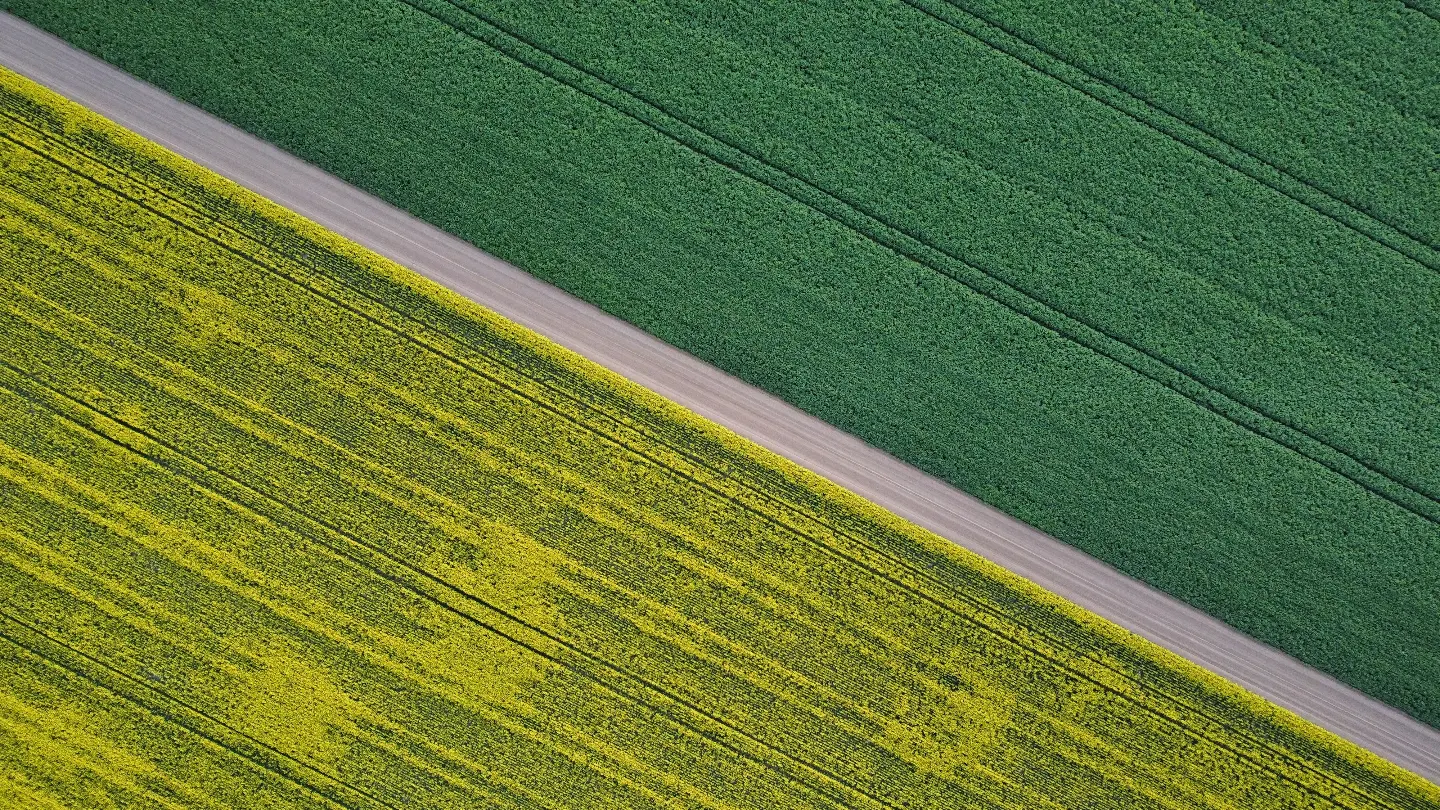
Golden fields, green fuel: The next chapter in Australian productivity
Unlocking Agricultural Potential: GrainCorp’s submission to the Economic Reform Roundtable
GrainCorp backs Federal Government’s consultation to support renewable fuels future